Weather Alerts For Washington, DC
Extreme Heat Warning
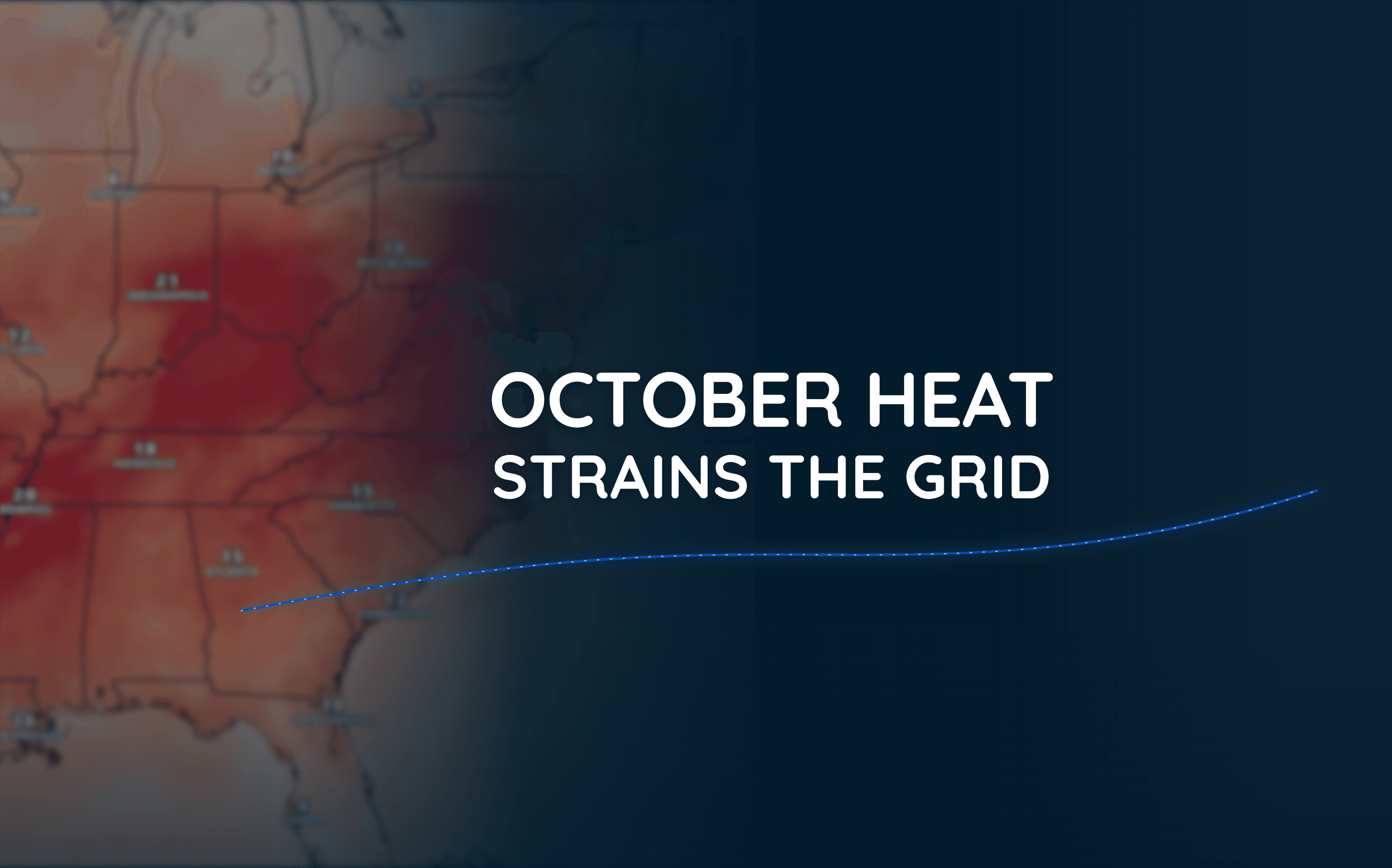
-# HEADLINE -------------------- EXTREME HEAT WARNING REMAINS IN EFFECT FROM 10 AM THIS MORNING TO 9 PM EDT THIS EVENING # DETAILS -------------------- WHAT For the Extreme Heat Warning, dangerously hot conditions with heat index values 110 to 115 expected. WHERE Washington DC, and portions of central, north central, northeast, northern, and southern Maryland, and central, northern, and northwest Virginia. WHEN From 10 AM this morning to 9 PM EDT this evening. IMPACTS Heat related illnesses increase significantly during extreme heat and high humidity events. Hot temperatures and high humidity may cause heat illnesses. ADDITIONAL DETAILS Early morning low temperatures in the 70s and 80s combined with oppressive humidity will result in little to no overnight relief. Prolonged excessive heat may impact power, water, and transportation systems. Heat index values around 100 to 104 are possible again Sunday afternoon. ISSUED AT Saturday, July 4, 2026 at 12:47 AM EDT ISSUED BY National Weather Service Baltimore MD/Washington DC HEADER URGENT - WEATHER MESSAGE # PRECAUTIONARY/PREPAREDNESS ACTIONS -------------------- Drink plenty of fluids, stay in an air-conditioned room, stay out of the sun, and check up on relatives and neighbors. Do not leave young children and pets in unattended vehicles. Car interiors will reach lethal temperatures in a matter of minutes. Take extra precautions when outside. Wear lightweight and loose fitting clothing. Try to limit strenuous activities to early morning or evening. Take action when you see symptoms of heat exhaustion and heat stroke. # AREAS AFFECTED -------------------- Calvert, Central and Southeast Prince William/Manassas/Manassas Park, Northwest Howard, Orange, Southeast Harford, Southern Baltimore, Stafford, Albemarle, Anne Arundel, Arlington/Falls Church/Alexandria, Carroll, Cecil, Central and Southeast Howard, Central and Southeast Montgomery, Charles, Culpeper, District of Columbia, Eastern Loudoun, Fairfax, Frederick, Greene, King George, Madison, Nelson, Northern Baltimore, Northern Fauquier, Northwest Harford, Northwest Montgomery, Northwest Prince William, Prince Georges, Rappahannock, Southern Fauquier, Spotsylvania, St. Marys, Western Loudoun
Air Quality Alert
-# HEADLINE -------------------- AIR QUALITY ALERT IS IN EFFECT FOR SATURDAY JULY 4 2026 # SUMMARY -------------------- The Metropolitan Washington Council of Governments and District Department of Environment has issued a Code PURPLE Air Quality Alert Saturday for the District of Columbia. For more information on ground-level ozone and fine particles visit the web site https://www.mwcog.org/environment/air/forecast/ # DETAILS -------------------- ISSUED AT Friday, July 3, 2026 at 4:40 PM EDT ISSUED BY Relayed by National Weather Service Baltimore MD/Washington DC HEADER Air Quality Alert Message | MD Dept of Environment and VA Dept of Environmental Quality # AREAS AFFECTED -------------------- District of Columbia
Severe Storm Risk
-There is a Slight Severe Storm Risk for your location. Continue reading for today's outlook from the National Weather Service's Storm Prediction Center. -------------------- National Severe Storm Outlook THERE IS AN ENHANCED RISK OF SEVERE THUNDERSTORMS FOR PORTIONS OF SOUTHEASTERN NEBRASKA INTO WESTERN IOWA SUMMARY Scattered damaging gusts will continue across portions of the Mid Atlantic and the central/northern Plains. More isolated to scattered severe storms will also continue across portions of the High Plains to the northern Rockies. Discussion Several clusters of widely scattered thunderstorms in many different regimes are ongoing across portions of the central and northern Plains into the Midwest and across the Mid-Atlantic. The greatest threat through the remainder of the evening will be for damaging wind, with a few instances of large hail and perhaps a tornado from the Plains to the Midwest. Across the central/northern Plains, activity is mainly tied to lee troughing and broad ascent from the mid-level shortwave trough. A few embedded supercells will pose potential for large hail through the evening but the main threat is shifting to become damaging wind, with several clusters attempting to grow upscale. The more focused corridor of severe wind threat through the evening will likely extend from southeastern Nebraska into northern Kansas, where a more robust line has developed amid a strongly unstable air mass. Deep layer shear decreases with southward extent into Kansas, however, storms may be driven by cold pool dynamics south and eastward through the evening. Across portions of southern South Dakota, western Nebraska, and eastern Colorado, a few more discrete supercell clusters are ongoing. This region will be where the greatest short term risk will be for large to very large hail, particularly across western Nebraska into southwestern South Dakota. Across portions of the Midwest into the Great Lakes, a cluster of storms is moving across northern Illinois towards the Chicago Metro. This line is tracking along a MLCAPE gradient that extends across northern Illinois into northern Indiana/southern Michigan. Storms will likely advance eastward along this gradient through the evening, with potential for damaging winds. Another robust line is moving eastward through New York City and northern New Jersey. This has produced a swath of measured severe wind and continues eastward towards the coast.