Weather Alerts For Park Falls, WI
Heat Advisory
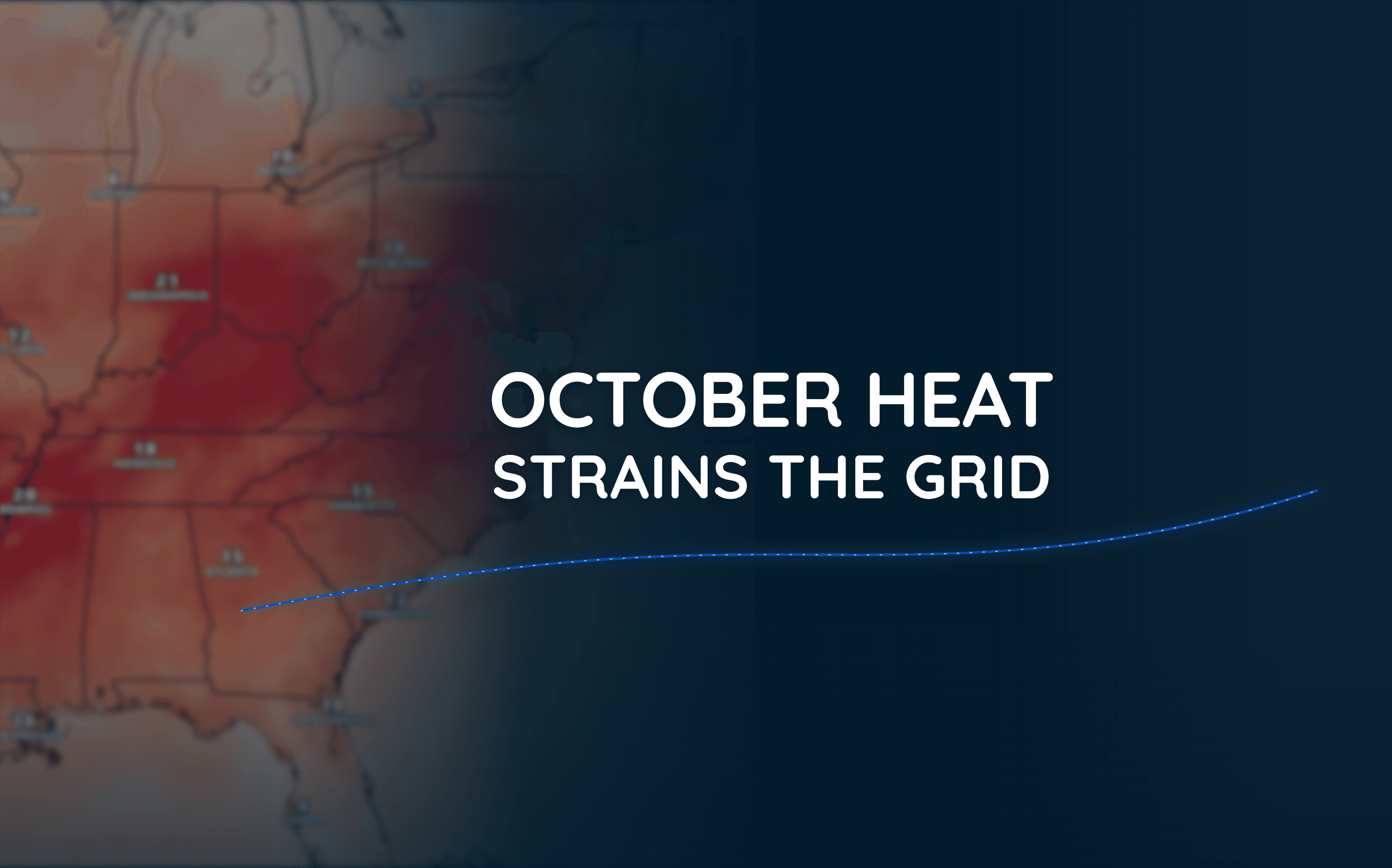
-# HEADLINE -------------------- HEAT ADVISORY REMAINS IN EFFECT UNTIL 7 PM CDT THIS EVENING # DETAILS -------------------- WHAT Heat index values of 95 to 100 Tuesday afternoon. WHERE Price, Ashland, Bayfield, Iron, and Sawyer Counties. This includes the Tribal Lands of the Lac Courte Oreilles Reservation, the northwestern area of the Lac du Flambeau Band, the Red Cliff Band and the Bad River Reservation. Other locations including the Apostle Islands National Lakeshore and Madeline Island. WHEN Until 7 PM CDT this evening. IMPACTS Hot temperatures and high humidity may cause heat illnesses. ISSUED AT Tuesday, June 30, 2026 at 1:32 AM CDT ISSUED BY National Weather Service Duluth MN HEADER URGENT - WEATHER MESSAGE # PRECAUTIONARY/PREPAREDNESS ACTIONS -------------------- Drink plenty of fluids, stay in an air-conditioned room, stay out of the sun, and check up on relatives and neighbors. # AREAS AFFECTED -------------------- Ashland, Bayfield, Iron, Price, Sawyer Including the cities of Hurley, Hayward, Ashland, Bayfield, Phillips, and Washburn
Severe Storm Risk
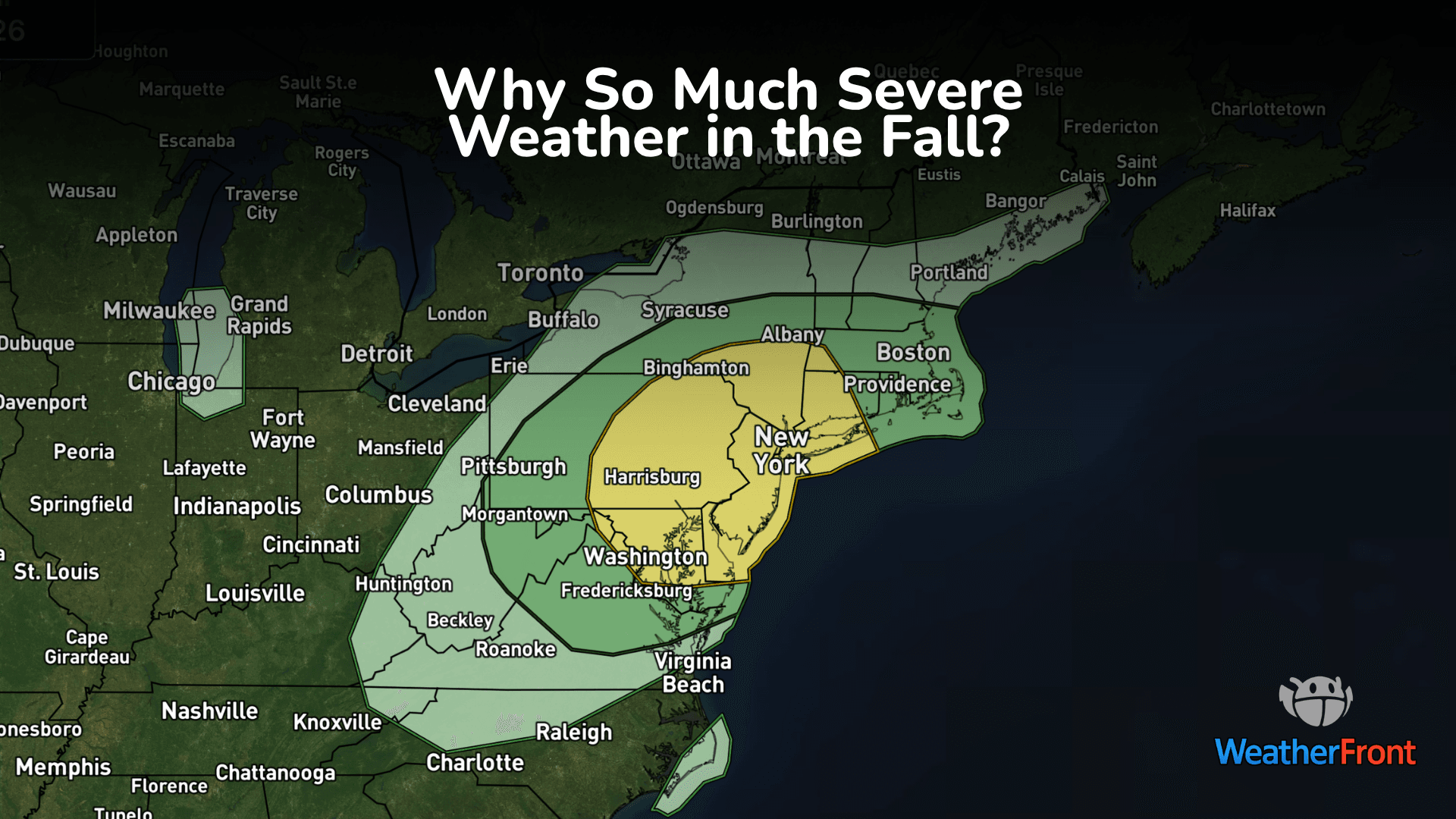
-There is a Slight Severe Storm Risk for your location. Continue reading for today's outlook from the National Weather Service's Storm Prediction Center. -------------------- National Severe Storm Outlook THERE IS AN ENHANCED RISK OF SEVERE THUNDERSTORMS ACROSS THE CENTRAL HIGH PLAINS THERE IS A SLIGHT RISK OF SEVERE THUNDERSTORMS ACROSS THE PLAINS...GREAT LAKES AND NORTHEAST SUMMARY Scattered severe thunderstorms are expected across parts of the central High Plains, with severe wind gusts (60 to 85 mph) being the primary hazard during the late afternoon and evening. Other severe thunderstorms are expected across the Great Lakes and Northeast, as well as broader parts of the central Plains to middle Missouri Valley. Southern/Central Plains Scattered thunderstorms are forecast later this afternoon over the High Plains on the western rim of richer low-level moisture and strong insolation. Model guidance shows considerable erosion of the capping layer by mid-afternoon with MLCAPE ranging from 1500 J/kg over the Texas South Plains to 3500 J/kg over western Kansas. Initially higher-based convection will gradually move east into richer moisture and promote larger thunderstorm cores and increased potential for storm clusters to develop. Large hail will be possible with any initial supercell activity (i.e., most probable from the northern Texas Panhandle into Kansas; 25-40 kt effective shear). However, very steep surface to 300-mb lapse rates will favor strong evaporative cooling with the more intense cores. Ample deep-layer shear will exist for organized storms, but veering/backing of flow with height will aid in storm outflow aggregating as linear clusters become the primary storm mode with time. These organized but linear clusters will likely be efficient in promoting severe wind gusts (60-85 mph) during the early evening, coincident with a strengthening LLJ and WAA before this threat wanes by late evening. Weaker deep-layer shear farther south in the southern High Plains will likely limit both storm organization and overall coverage of the wind risk. Later into this evening, confidence has increased in mainly nocturnal development in a post-frontal environment, that will probably have its genesis by early evening in the vicinity of northeast Colorado/southwest Nebraska. These storms will likely increase/expand northeastward tonight with large hail and damaging wind potential, which could actually increase and become somewhat more prominent overnight across northern Nebraska/southeast South Dakota and neighboring Siouxland as storms cluster and as the warm front quickly shifts northward regionally. Upper Midwest/Great Lakes A few strong storms could occur early this afternoon across northern Michigan, but primary concern is the potential for redevelopment later today, potentially focused along a zone of modifying outflow/differential heating, with robust instability to the south. Although the degree of mid-level capping is a key uncertainty, where storms do redevelop, ample tropospheric flow will support organized storms, including supercells capable primarily of a hail/wind risk and perhaps a tornado. Storms will likely become more probable and increase this evening with at least some hail and wind potential continuing tonight. Northeast States A cluster of storms over southeast Ontario at midday will likely continue to progress southeastward over Lake Ontario toward northern New York today. See Mesoscale Discussion 1396 for additional details. These storms coincide with a 30-40 kt belt of northwesterly mid-level flow that resides on the immediate periphery of a gradually building upper-level ridge and associated elevated mixed layer. Residual cloud cover, via overnight/pre-dawn decayed convection, casts a bit of uncertainty regarding boundary layer destabilization over portions of this region, especially with northeastward extent. Nonetheless, increasing storm coverage/intensity is expected this afternoon including clusters/bowing segments and possibly a few supercells. Southeast Located to the south of an upper high centered over the Tennessee Valley, a very moist air mass is present across much of the region. Strong heating will yield moderate buoyancy by early afternoon. Forecast soundings depict around 20-kt effective shear which will aid in minor multicellular organization. Localized 50-60 mph gusts capable of isolated wind damage will accompany the stronger storms.